General
Lorem ipsum dolor sit amet, consectetur adipiscing elit.

Search

Lorem ipsum dolor sit amet, consectetur adipiscing elit.
Brain-focused science emphasizing learning, memory, behavior, perception consciousness and disorders.

Lorem ipsum dolor sit amet, consectetur adipiscing elit.
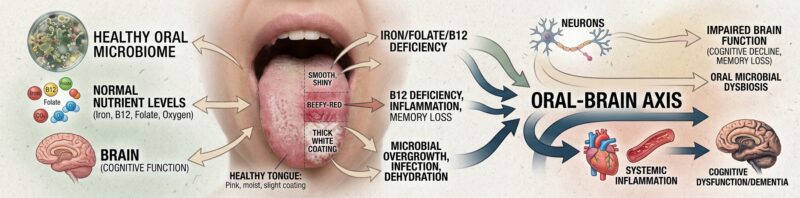
Most people think of the tongue as a tool for taste, speech, and swallowing. But your tongue may be doing something far more important: providing clues about the state of your brain and overall health.
The tongue is one of the most highly innervated structures in the human body. It contains sensory nerves, taste receptors, blood vessels, immune cells, and a complex microbial ecosystem. The tongue, in particular, can reveal information about nutritional deficiencies, inflammation, immune function, and even processes linked to cognitive decline. While no physician can diagnose a neurological disorder simply by looking at your tongue, its appearance can serve as an early warning sign that something deeper may be happening.
What a Healthy Tongue Looks Like
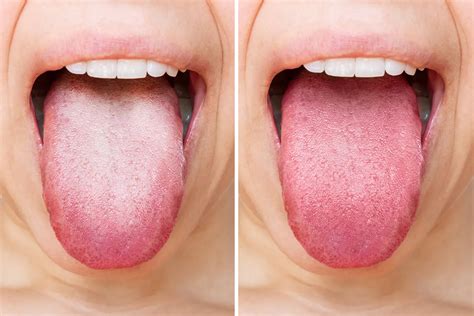
How the Tongue Reflects Brain Health
1. Nutritional Deficiencies That Affect the Brain
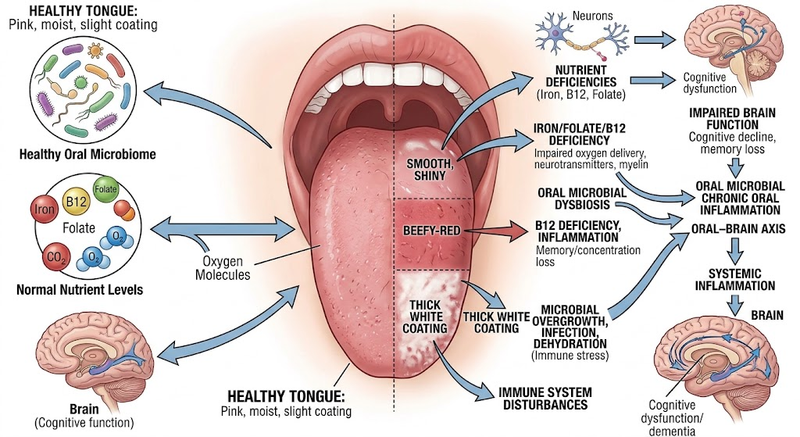
Many of the nutrients required for healthy brain function are also essential for maintaining a healthy tongue. A smooth, shiny, or unusually red tongue may indicate deficiencies in iron, folate, or vitamin B12. These deficiencies can impair oxygen delivery, neurotransmitter synthesis, myelin formation, memory, concentration, and cognitive performance. Tongue Exam Stanford Medicine specifically notes that iron, folate, and vitamin B12 deficiencies can produce a smooth tongue, while vitamin B12 deficiency may result in a sore, “beefy-red” tongue.
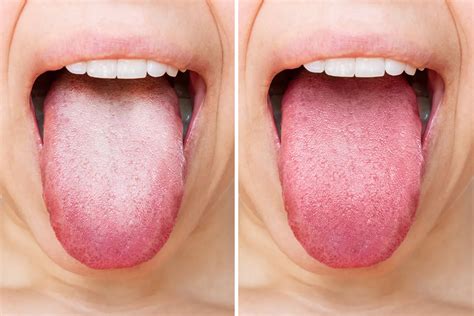
The Oral-Brain Axis
Your tongue is home to millions of microorganisms collectively known as the oral microbiome. The Oral–Gut Microbiome–Brain Axis in Cognition highlights that oral microbial dysbiosis may contribute to cognitive dysfunction through inflammatory and immune pathways
This does not mean that a coated tongue causes dementia. However, chronic oral inflammation may serve as a marker or contributor to broader inflammatory processes that affect the brain.
Tongue Coating and Immune Health
A thick white coating on the tongue may arise from microbial overgrowth, dehydration, oral infections, or immune system disturbances.
Beyond appearance alone, shifts in the oral ecosystem may reflect changes in immune regulation occurring throughout the body.
What to Watch For: What Your Tongue May Be Telling You
Tongue Finding Possible Health Clue
Smooth, shiny tongue Iron, folate, or B12 deficiency
Bright red tongue B12 deficiency, inflammation
Thick white coating Infection, microbiome imbalance, dehydration
Pale tongue Anemia or nutritional deficiencies
Geographic tongue Usually benign; occasionally associated with inflammatory factors
Persistent ulcers Requires medical evaluation
These findings are not diagnoses but may represent signals that deserve attention.
The next time you brush your teeth, take a few extra seconds to look at your tongue. It may be telling you more about your health than you realize.
SUMMARY
REFERENCES
Greenberg, M. S., Glick, M., & Ship, J. A. (2022). Burket’s oral medicine (13th ed.). PMPH USA.
Chen, C. K., Wu, Y. T., & Chang, Y. C. (2017). Association between chronic periodontitis and the risk of Alzheimer’s disease: A retrospective, population-based, matched-cohort study. Alzheimer’s Research & Therapy, 9(1), 56
Stanford Medicine 25. (n.d.). Tongue exam. Stanford School of Medicine. https://stanfordmedicine25.stanford.edu/the25/tongue.html
Wu, Y. H., Tseng, Y. H., Chan, J. C. Y., & Cheng, M. L. (2021). Oral microbiome and its connection to brain health and neurological disorders. Frontiers in Cellular and Infection Microbiology, 11, 682221. https://doi.org/10.3389/fcimb.2021.682221
Zhang, Y., Wang, X., Li, H., Ni, C., Du, Z., & Yan, F. (2021). Human oral microbiota and its modulation for oral health. Biomedicine & Pharmacotherapy, 99, 883-893. https://doi.org/10.1016/j.biopha.2018.01.146